
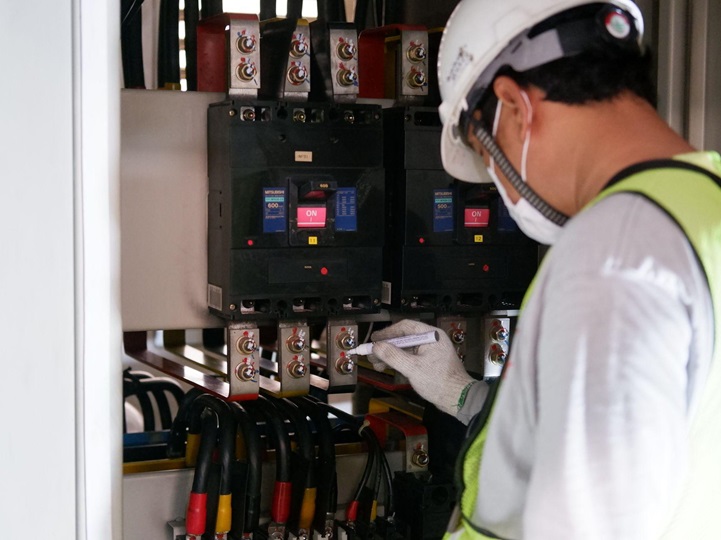
Many facility teams still let equipment run until it breaks, treating repairs as a cost to manage only when they happen. On a spreadsheet, this approach looks lean, since no budget goes toward maintenance that might never be needed. In practice, the bill arrives later, disguised as emergency callouts, extended downtime and equipment replaced years before its expected lifespan. Understanding these hidden costs changes how facility managers weigh the real value of a structured maintenance approach.
Why run-to-failure looks cheaper at first
A run-to-failure strategy avoids scheduled maintenance costs entirely, which makes short-term budgets easier to justify to finance departments. No technician visits equipment that appears to be working fine, and no parts get replaced before they show visible signs of wear. This apparent savings convinces many facility managers to postpone investment in a preventive maintenance program until a failure forces the issue.
The real price of unplanned downtime
When equipment fails without warning, production or building operations stop immediately, often at the worst possible moment. Emergency repair calls cost significantly more than scheduled service, since technicians charge premium rates for urgent visits and rush parts. The disruption also ripples outward, delaying other tasks that depended on the failed equipment running normally, and pushing back timelines that had nothing to do with the original breakdown.
Shortened equipment lifespan adds up
Machines pushed until failure rarely fail gently. Small issues left unaddressed often damage surrounding components, turning a minor repair into a full replacement. Over several years, this pattern shortens the useful life of expensive equipment considerably, forcing capital expenditure earlier than the original purchase plan anticipated. Replacing equipment ahead of schedule also strains budgets already stretched across other facility priorities.
Safety risks that rarely appear in budget forecasts
Equipment failure does not always happen quietly. Some breakdowns create genuine safety hazards for staff working nearby, from overheating motors to sudden mechanical release. These incidents carry costs far beyond repair bills, including potential injury claims and regulatory scrutiny that a facility manager never wants to explain after the fact.
How predictive data changes the calculation
Modern sensors track vibration, temperature and load in real time, flagging early warning signs long before a visible failure occurs. Facility teams using this data catch problems while repairs remain simple and inexpensive. This shift turns maintenance from a guessing game into a scheduled task based on actual equipment condition rather than fixed calendar intervals, which also cuts down on unnecessary part replacements scheduled purely by the clock.
Comparing total cost over a five-year horizon
Looking only at annual maintenance spending hides the full picture. Facilities that track total cost of ownership over five years consistently find that structured maintenance costs less overall once downtime, emergency repairs and premature replacement enter the calculation. This longer view makes the case for investment much clearer to leadership than a single year’s budget line.
Making the shift without overhauling everything at once
Facility managers do not need to convert every piece of equipment overnight. Starting with the assets most critical to operations, or those with the highest failure cost, builds a case internally while limiting upfront investment. This gradual approach lets teams prove value before expanding a preventive maintenance program across the full facility, using early results as evidence when requesting a larger budget the following year.