
Maintaining a motorcycle goes beyond appearance; it’s essential for a safe and smooth ride. One of the most important yet often overlooked maintenance tasks is regularly changing the engine oil and oil filter.
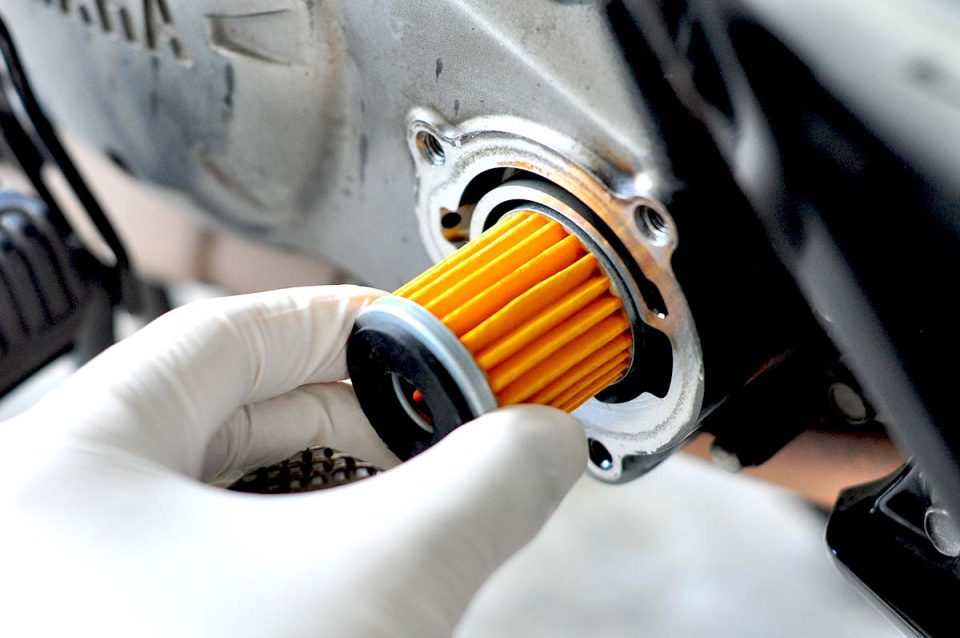
Engine oil acts as the lifeblood of the bike, lubricating, cooling and cleaning the engine’s internal parts. Over time, however, the oil breaks down. The oil filter plays a crucial role by trapping dirt and debris, preventing them from circulating through the engine.
So, how often should the engine oil and filter be changed? Here’s a simple breakdown.
Why Motorcycle Oil And Oil Filter Changes Matter
Before discussing when to change the oil, it’s important to understand why it matters. Engine oil lubricates moving parts to reduce friction, helps cool the engine by drawing heat away and carries dirt, debris and metal particles away from critical components.
The oil filter plays a key role in trapping these contaminants to prevent them from circulating again. Neglecting regular oil and filter changes can lead to premature engine wear and even failure.
Recommended Oil Change Intervals
For new motorcycles, change the oil and filter after the first 500-1,000 km to remove manufacturing debris. After the break-in period, engine oil should be changed every 3,000-5,000 km, while the oil filter can last between 6,000-10,000 km or at least every second oil change.
Always refer to the motorcycle’s owner’s manual for specific recommendations, as some newer models and high-quality oils may allow intervals of up to 10,000 km depending on usage and oil type.
Signs That It is Time To Change Your Motorcycle Oil
Sometimes a motorcycle shows subtle signs that its oil needs changing. These include louder engine noise, dark or gritty oil, decreased fuel efficiency, a burning smell while riding and consistently dropping oil levels. Noticing any of these signs indicates it’s time to check the oil condition and consider replacing it.
What Affects Oil And Filter Life?
Several factors influence how long engine oil and filters last. Understanding these can help determine the right intervals for changes:
- Riding Conditions
- Frequent short rides don’t allow oil to warm up and burn off moisture
- Riding in dusty or polluted areas makes the oil dirty faster
- Extreme heat or cold can reduce oil life
- Riding Style
- Aggressive riding, high revs or racing conditions strain the engine
- Such usage demands more frequent oil and filter changes
- Oil Type
- Mineral oils: Change every 2,000-3,000 km
- Semi-synthetic oils: Last up to 5,000 km
- Fully synthetic oils: Last between 7,000-10,000 km
Do You Need To Change The Oil Filter Every Time?
Changing the oil filter with every oil change is ideal, but not always necessary. For motorcycles using synthetic oil, the filter can typically be changed every second oil change, while those using mineral oil should replace the filter with every oil change. A dirty filter restricts oil flow, which can cause damage to engine components.
Impact On Two-Wheeler Insurance
Maintaining a motorcycle isn’t just important for performance; it also affects insurance claims. Poor maintenance, especially neglecting engine care, can lead to denial of claims related to engine failure, as many insurers assess wear and tear during inspections. Timely oil and filter changes help prevent such disputes.
Using a two-wheeler insurance app can simplify managing insurance needs. It can assist with policy renewals, claim management and send reminders for service tasks like oil changes. Choosing an app with customisation and easy access makes upkeep and insurance management more convenient.
Expert Tips To Extend Oil Life
To extend the life of your motorcycle’s oil, use high-quality oil that matches your bike’s specifications. Avoid frequent short trips, as they prevent the oil from reaching optimal temperature, reducing its effectiveness. If recommended by the manufacturer, use engine cleaners or fuel additives to maintain engine health. Additionally, never mix different grades of oil, as this can compromise performance and protection.
Oil Change Checklist
Before starting, here’s what you need:
- Correct engine oil (grade and quantity)
- Oil filter (new and compatible)
- Funnel
- Drain pan
- Wrench
- Gloves and old rags
Always let your bike cool down before changing the oil to avoid burns.
Conclusion
Changing the motorcycle’s oil and oil filter is an investment towards the bike’s health and longevity. Regular maintenance ensures better performance, improved mileage and peace of mind.
So, do not wait for the engine light to flash. Keep an eye on your kilometres, oil colour and how the engine feels. And if you haven’t already, explore a two wheeler insurance app to manage your service schedules and insurance needs all in one place.