
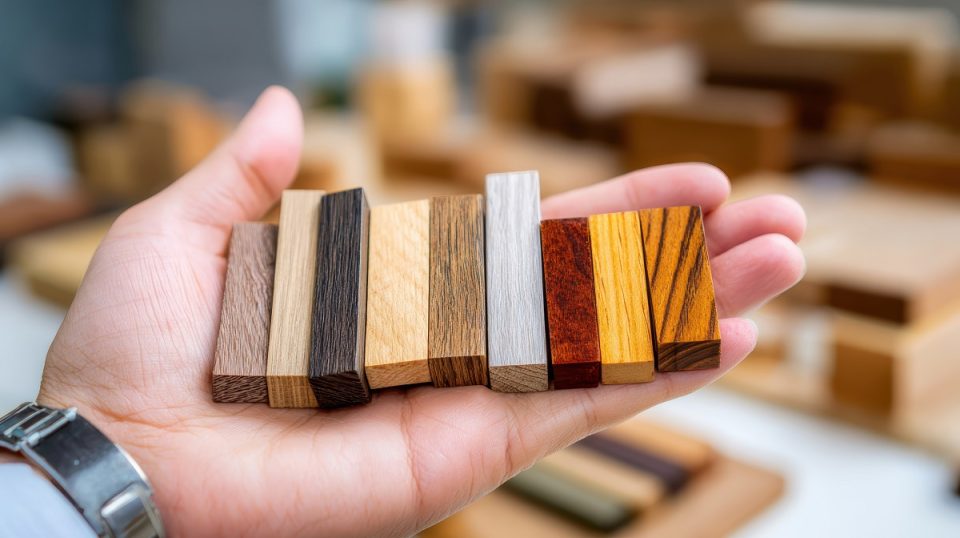
Pick the wrong stuff to build with, and you’re done before you start. A concrete airplane? Good luck getting that off the ground. A chocolate hammer? Yeah, that’ll work great. Material choice makes or breaks everything we build.
Why Materials Matter More Than Ever
The success or failure of something hinges on the materials employed. Weight, strength, how long it lasts, what it costs. All that traces back to what you built it from. The old days were simple. Metal, wood, maybe some glass. That’s what builders had. Now? Labs cook up new materials faster than anyone can keep track of. Some bend without breaking. Others stay rigid under insane pressure. A few do both, which shouldn’t even be possible.
Your competitor just made their product 30% lighter. Guess what? You’re scrambling to catch up or lose customers. This race never stops. Somebody always finds a better material, forcing everyone else to step up their game. Money talks, though. That space-age material might perform miracles, but if it costs more than gold, forget it. The sweet spot sits between “good enough” and “affordable enough”. Miss either target and your product fails. Engineers used to guess and hope. Now they know exactly how much load something can handle before it gives up. No more overbuilding just to feel safe. Use exactly what you need, nothing more.
Learning From Nature’s Designs
Evolution had a few billion years to experiment. Might as well steal the good ideas, right? Bird bones blew engineers’ minds. Hollow but strong. Light but tough. How? The structure inside looks like a honeycomb core with tiny walls creating chambers. Maximum strength, minimum weight. Aerospace engineers at companies like Axiom Materials loved this idea. Now it shows up everywhere from racecars to packaging.
Spider silk makes steel look weak. If the thickness is the same, spider silk will win. Plus, it stretches like crazy without snapping. We still can’t match what spiders pump out naturally. Kind of embarrassing for all our fancy technology. Watch a tree in a windstorm. Bends like crazy but rarely breaks. The grain pattern in wood isn’t random. Fibers line up to handle specific stresses. Smart engineers copied this trick using carbon fibers and plastics. Same idea, better materials.
Fish scales overlap in a way that creates flexible armor. Butterfly wings stay clean because of microscopic surface patterns. Pine cones open and close using moisture-triggered material changes. Nature’s material tricks keep teaching us new approaches.
Testing Before Building
Building something just to watch it fail wastes money. So engineers beat up materials in labs first. Way cheaper than finding problems after production starts. Computers now torture materials digitally. Freeze them. Melt them. Twist them into pretzels. Repeat ten thousand times. All without touching actual materials. Pretty slick for predicting problems.
But pixels don’t tell the entire story. Real materials get nasty treatment in test labs. Saltwater baths for marine equipment. Acid splashes at chemical plants. Fake sunlight aging for outdoor products. If it will face it in real life, labs simulate it first. Some tests get weird. Dropping frozen turkeys onto airplane windshields. Shooting golf balls at hard hats. Running over things with tanks. Whatever it takes to know the breaking point.
Conclusion
Materials make or break products. The perfect material turns decent ideas into winners. The wrong material kills great designs stone dead. Scientists keep cooking up materials that shouldn’t exist. Metals that remember their shape. Plastics stronger than steel. Glass that bends. Yesterday’s impossible becomes tomorrow’s boring standard. Staying behind on materials means losing. The smart money watches what’s coming from labs and figures out how to use it first.