
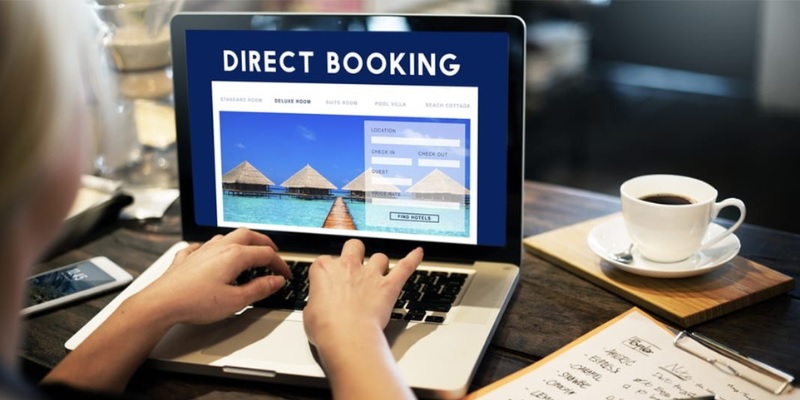
In an era where third-party booking platforms often dominate the travel landscape, maintaining a strong direct booking channel is essential for the financial health of any hotel. Every reservation made through your own website represents a significant saving in commission fees and a direct opportunity to build a lasting relationship with your guests. However, simply having a website is not enough to compete in a crowded market.
Partnering with a specialized hotel marketing agency in NYC can provide the local expertise and digital strategy necessary to thrive in Manhattan’s competitive hospitality landscape. To turn browsers into guests, a hotel website must act as a digital concierge, providing a seamless, informative, and persuasive journey that guides the user from curiosity to confirmation.
Building a Foundation of Trust Through Visual Storytelling
The first few seconds a visitor spends on your site are the most critical. Because travel is an experiential purchase, your website must sell the dream of the stay before it sells the room. High-resolution, professional photography is the most powerful tool at your disposal. Instead of small, grainy images, use full-screen galleries that showcase not just the beds, but the unique atmosphere of your property. Include photos of the local neighborhood, the breakfast spread, and the view from the balconies. This visual transparency builds immediate trust and allows potential guests to visualize themselves in the space, reducing the friction that often leads to abandoned searches.
Streamlining the User Journey and Mobile Experience
Complexity is the enemy of conversion. If a traveler has to hunt for the book now button or navigate through a labyrinth of menus to find your pricing, they will likely return to a more user-friendly aggregator. Your booking engine should be integrated directly into the site with a persistent search bar that allows guests to check availability from any page. Furthermore, with more travelers planning trips on their smartphones, a mobile-first design is no longer optional. A fast-loading, responsive site ensures that the booking process is just as easy on a five-inch screen as it is on a desktop, capturing the high volume of last-minute and on-the-go planners.
Strategic Content and Local SEO Authority
To attract organic traffic, your website must be more than a digital brochure; it needs to be a valuable resource. Search engines prioritize sites that provide relevant, high-quality information. By creating a dedicated blog or local guide section, you can capture potential guests during the inspiration phase of their travel planning. Write about the best hidden cafes in your city, the most efficient routes to nearby landmarks, or seasonal events happening in the area. This content positions your hotel as a local authority and improves your search engine rankings for keywords beyond your hotel name, drawing in travelers who are searching for destination advice.
Conclusion
Optimizing a hotel website for organic bookings is an ongoing process of refining the balance between aesthetics and functionality. By focusing on immersive visual storytelling, ensuring a friction-free mobile experience, and providing genuine value through local content, you can create a platform that rivals the major booking engines. The ultimate goal is to provide such a compelling and easy experience that the guest feels no need to look elsewhere. When your website functions as well as your hospitality, you create a powerful engine for sustainable growth and a stronger, more direct connection with every person who walks through your doors.