
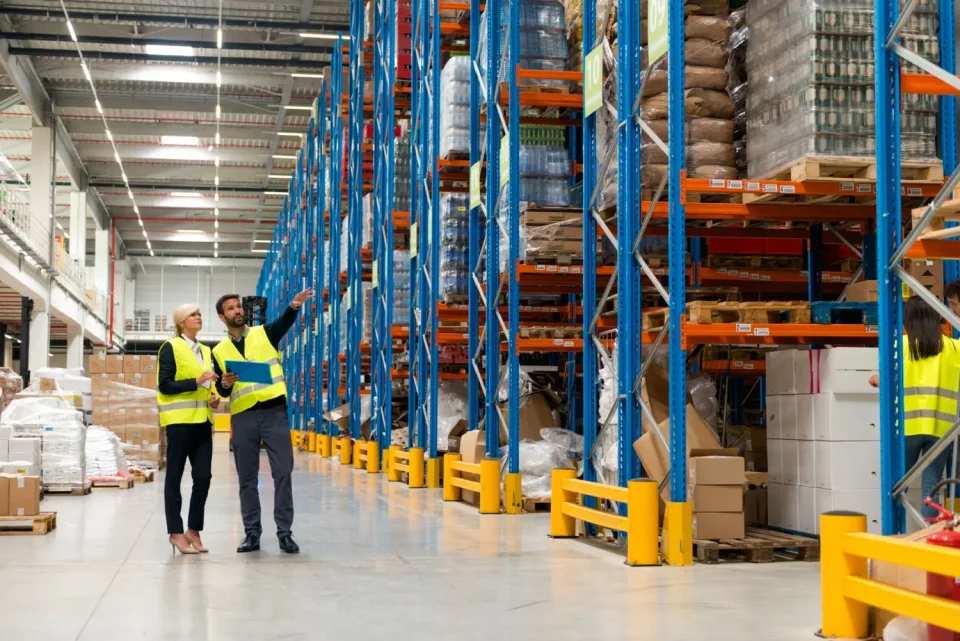
Starting or expanding a business often requires the right storage or operational space. One of the biggest decisions entrepreneurs face is whether to choose a warehouse for rent or invest in purchasing warehouse property. Both options have their own advantages, and the best choice depends on your business goals, budget, and future plans. Understanding the differences can help you make a smart and cost-effective decision.
A warehouse for rent is often the preferred choice for startups, growing businesses, and companies that need flexibility. Renting allows businesses to access quality warehouse space without making a large financial commitment. This option is ideal for businesses that want to focus on growth while keeping costs manageable and maintaining financial flexibility.
Understanding Warehouse Rental
Renting a warehouse means paying a monthly or yearly fee to use the property without owning it. Businesses can use the space for storage, inventory management, manufacturing, packaging, or distribution based on their operational needs.
Warehouse rentals are available in different sizes and layouts, making it easier to find a space that matches your business requirements. Many rental warehouses also come with modern facilities that improve efficiency and productivity.
Benefits of Choosing a Warehouse for Rent
Lower Initial Investment
One of the biggest advantages of renting is the lower upfront cost. Instead of investing a large amount in purchasing property, businesses can allocate their funds toward inventory, equipment, marketing, or hiring employees.
Greater Flexibility
Business needs can change over time. Renting provides the flexibility to move to a larger or smaller warehouse as your operations grow or change. This makes it easier to adapt to market demand without being tied to a permanent property.
Faster Business Expansion
Finding a suitable warehouse for rent is often quicker than buying property. Businesses can start operations sooner, helping them respond to customer demand and market opportunities more efficiently.
Reduced Maintenance Responsibility
In many rental agreements, certain maintenance responsibilities remain with the property owner. This reduces the operational burden on businesses and allows them to focus more on their core activities.
Benefits of Buying Warehouse Space
Purchasing warehouse property can be a valuable long-term investment for businesses with stable operations and sufficient capital.
Full Ownership
Owning a warehouse gives businesses complete control over the property. Owners can customise the facility according to operational requirements without depending on landlord approvals.
Long-Term Stability
Buying eliminates concerns about lease renewals or rental increases. Businesses can operate from the same location for many years, providing consistency for employees and customers.
Potential Asset Appreciation
Commercial properties may increase in value over time. Owning warehouse space can become a valuable business asset while also offering opportunities for future expansion.
Comparing Renting and Buying
When deciding between renting and buying, consider these important factors:
- Budget: Renting requires less upfront investment, while buying involves significant capital.
- Business Growth: Growing businesses often benefit from the flexibility of renting.
- Long-Term Plans: Businesses planning to stay in one location for many years may consider ownership.
- Cash Flow: Renting helps preserve working capital for daily operations and business development.
- Operational Needs: Companies expecting rapid changes in storage requirements usually find renting more practical.
Who Should Choose a Warehouse for Rent?
Renting is an excellent option for:
- Startups launching new operations.
- E-commerce businesses managing changing inventory.
- Import and export companies.
- Seasonal businesses with varying storage needs.
- Businesses testing new markets before making permanent investments.
These businesses can benefit from flexibility while reducing financial risk.
When Buying Makes More Sense
Buying warehouse space may be suitable for businesses that:
- Have long-term operational stability.
- Possess sufficient investment capital.
- Need specialised warehouse modifications.
- Plan to build long-term property value.
- Expect consistent warehouse usage for many years.
For these businesses, ownership can support long-term strategic growth.
Making the Right Decision
Every business has unique goals and financial circumstances. Before choosing between renting and buying, evaluate your available budget, projected growth, operational requirements, and future expansion plans. Consulting financial and property experts can also help ensure you select the option that aligns with your long-term business strategy.
Businesses should also consider market conditions, expected operational changes, and cash flow requirements before making a final decision. Taking time to compare both options carefully can lead to better financial stability and operational success.
Conclusion
Choosing between a warehouse for rent and buying warehouse space depends on your business objectives, financial resources, and growth plans. For many startups and expanding businesses, renting provides flexibility, lower initial costs, and the freedom to adapt as business needs evolve. On the other hand, purchasing warehouse space offers long-term ownership, stability, and potential investment value. By carefully assessing your business priorities, you can confidently choose the solution that supports sustainable growth and long-term success.