
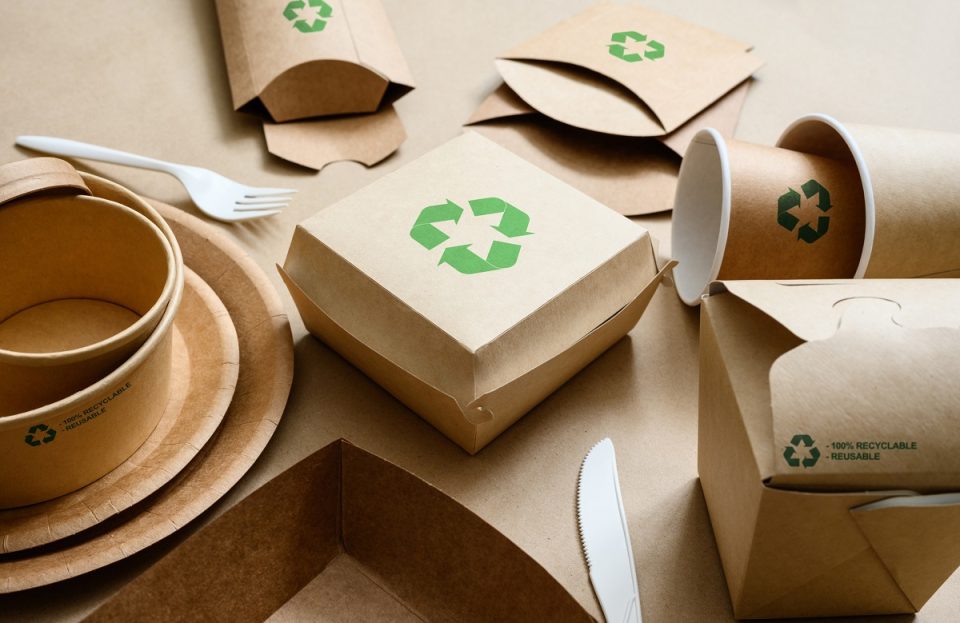
A modern grocery store would shock your great-grandmother. She bought meat wrapped in paper, good for two days. Bread went stale overnight. Now? That loaf stays soft for a week. Ground beef retains its color for days. Food packaging revolutionized everything, yet consumers often overlook its impact.
Building Barriers Against Contamination
Think of packaging like a bodyguard for your burger. Each layer has a job. The durable exterior protects contents from shipping damage. Concealed beneath, special films function to exclude water and retain freshness. The layer touching your food? That’s the pickiest one, made from materials that won’t leak anything weird into your lunch.
Factories employ heat to seal bags. They are creating walls from melted edges that effectively block bacteria. The ink used for printing on boxes is also safety-tested. It is specially formulated to resist seepage. This ensures your cereal remains safe even after extended storage.
Temperature Management That Works
Beyond just containing food, packaging serves other purposes. Certain materials reflect heat, like how mirrors reflect light. Others trap cold like a cozy blanket in reverse. Food packaging EPS really shines here. Companies like Epsilyte produce these foam containers that keep seafood cold on trips from Alaska to Alabama. The secret? Millions of air bubbles that slow down heat transfer without adding much weight to trucks already burning through diesel.
Scientists have developed phase-change materials. These are substances that transition between solid and liquid states at precise temperatures. They absorb heat during warmer periods and then emit it when it gets cooler. Chocolate stays solid in Phoenix. Medicine stays cool in broken refrigerators after hurricanes. Those little stickers on frozen food that change color? They are tattletales. If that pizza thawed during delivery, the sticker shows it. No more guessing games about whether food stayed safe.
Information at Your Fingertips
Packages talk now. Not literally, but close enough. QR codes hold entire stories. If you aim your phone at it, you can view the farm where the tomatoes were cultivated and the factory responsible for producing the sauce. Freshness is determined by smart labels that analyze both time and temperature, much like a mathematical calculation. That gallon of milk might actually last longer at your house than the date says, if you keep your fridge super cold. The label knows.
Warehouses stick radio chips on pallets. Computers track thousands of boxes at once, knowing which ones need to move first. When recalls happen, companies find problem products in minutes, not days.
Fighting Waste Through Design
A significant portion of the fight against food waste occurs even before you make any purchases. Chip bags that have a resealable closure. Yogurt cups shaped so you can scrape out every bit. Ketchup bottles that let you get that last drop without performing a weightlifting routine. Materials keep getting better, too. Some plastics made from corn disappear in compost bins. Seaweed films you can eat along with your sandwich. Milk proteins turned into wrapping that dissolves in water.
Package sizes finally make sense. Researchers watched families eat dinner, counted the crackers kids ate, and measured leftover soup. Now portions match reality. A jar of pasta sauce fits what most people actually cook. Novel concept, right?
Conclusion
Packaging keeps getting wilder. Materials that fix their own holes. Slow-release preservative wrap for freshness. Colors that shift when bacteria show up. These incremental improvements combine to form a substantial impact, shaping a future where food has a longer shelf life, reaches more places, and sustains a larger population without causing illness. The science is irrelevant to your sandwich. But your stomach sure appreciates it.