
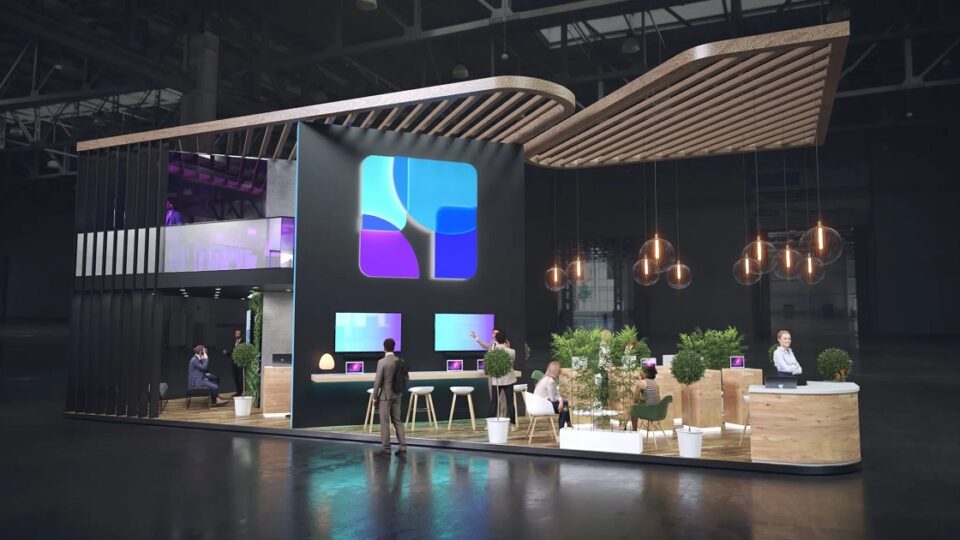
When it comes to making a lasting impression at trade shows, the size and design of your booth can play a significant role. A 20 x 30 trade show booths is a popular choice for many exhibitors, offering ample space for creative displays, interactive elements, and a high level of brand visibility. With the right design and strategy, a booth of this size can transform your trade show presence and help you stand out in a crowded exhibition hall.
The Benefits of a 20 x 30 Trade Show Booth
A 20 x 30 trade show booth provides the perfect balance between space and cost-effectiveness. This size allows for flexibility in design while maintaining a manageable budget compared to larger booths. The increased space allows exhibitors to incorporate a variety of design elements such as product displays, branding, digital signage, and interactive experiences. This level of customization is ideal for businesses aiming to create an engaging environment for potential customers.
One of the main benefits of a 20 x 30 booth is its ability to attract attention from across the trade show floor. With this amount of space, your booth becomes more than just a display – it becomes an experience. Whether you opt for an open design to invite visitors in or create dedicated zones for different aspects of your business, a larger booth offers more opportunities to engage with attendees.
Additionally, a 20 x 30 booth offers versatility in the placement of key elements such as meeting spaces, product demonstrations, and storage areas. You no longer need to worry about feeling cramped or overcrowded. The booth size gives you the freedom to thoughtfully organize your space, making it easier to move around while maintaining a professional and welcoming environment for guests.
Design Tips for Your 20 x 30 Trade Show Booth
Designing an impactful 20 x 30 trade show booth requires careful planning and attention to detail. With more space comes greater opportunity to create a visually appealing, functional, and engaging environment for visitors. A well-designed booth will draw people in, help build brand awareness, and encourage attendees to spend time learning about your products or services.
The layout of your booth is critical. A clean, open design tends to be the most inviting. Use the space to create distinct zones for different functions, such as product displays, consultations, and presentations. If possible, keep your display at the center of the booth to ensure that it’s the focal point. A 20 x 30 booth allows for an open, approachable layout where visitors can easily flow from one area to another without feeling restricted.
When it comes to branding, make sure your logo and messaging are visible from all angles. Large banners, signs, and screens can help reinforce your brand’s identity and ensure attendees know exactly who you are. Consider using LED lighting to highlight key areas of your booth and draw attention to specific features or products. Well-lit displays create a professional look and can help attract people even from a distance.
Consider integrating interactive technology into your booth, such as touchscreens or virtual reality experiences. Interactive elements can be a great way to engage potential customers and keep them in your booth for longer periods. These interactive experiences allow visitors to explore your offerings in a more hands-on manner, which can leave a lasting impression.
If your booth has a meeting area or private space, ensure that it is comfortable and conducive to conversations. A 20 x 30 booth provides room for seating, so consider adding chairs or couches that make your visitors feel at ease. A space where you can have one-on-one discussions allows you to engage deeper with potential clients and partners, which can be crucial for closing deals.
Enhancing Engagement with the Right Technology
A 20 x 30 trade show booth can greatly benefit from integrating technology to increase engagement and make a more memorable impact. In today’s digital age, trade shows are increasingly tech-centric, and exhibitors who incorporate cutting-edge technology into their booth design often stand out among their competitors.
Consider incorporating large digital screens that display dynamic content such as promotional videos, customer testimonials, or live feeds from social media platforms. Digital signage is a powerful tool to catch the attention of attendees and keep them informed about your company’s latest offerings.
Augmented reality (AR) and virtual reality (VR) are two other technology options that can help bring your booth to life. For example, you could create a virtual tour of your products or services, allowing visitors to explore them in an immersive and interactive environment. These types of experiences are often very effective in engaging visitors, giving them a memorable experience that they are likely to share with others.
If your business involves complex products or services, consider using interactive touchscreens or kiosks. These allow visitors to explore detailed information at their own pace, making it easier for them to learn about what you offer. Touchscreens can also facilitate lead capture, enabling you to collect valuable attendee data that can be used to follow up after the event.
Don’t overlook the importance of strong Wi-Fi connectivity within your booth. Ensure that your booth has reliable internet access for both your team and visitors. This is especially critical if you plan on using technology such as live streaming, interactive applications, or product demos that require internet access to function smoothly.