
Busy periods can put real pressure on a business. More customers, larger orders, tighter deadlines, extra staff, and increased stock levels can all stretch normal operations. For many businesses, the challenge is not only handling the extra demand, but doing it without spending too much on equipment that may only be needed for a short time.
This is where temporary equipment hire can be a practical solution. Instead of buying expensive equipment for seasonal peaks, one-off events, emergency needs, or short-term projects, businesses can hire what they need when they need it. This helps them stay flexible, control costs, and respond quickly when demand changes.
For industries such as hospitality, food service, retail, events, construction, and logistics, temporary hire can make daily operations easier during high-pressure periods.
Managing Demand Without Long-Term Commitments
Every business has busy seasons. Retailers may see higher demand during holiday periods. Caterers may become fully booked during wedding season. Restaurants may need more storage during festivals, long weekends, or local events. Construction companies may require extra machinery for specific stages of a project.
Buying equipment for these temporary increases is not always sensible. Once the busy period ends, the equipment may sit unused. It may also require storage, maintenance, insurance, repairs, and staff training.
Temporary equipment hire gives businesses access to extra resources without the burden of long-term ownership. This can be especially useful for small and medium-sized businesses that need to manage cash flow carefully.
Keeping Costs More Predictable
Large equipment purchases can affect a business’s budget quickly. Even when equipment is useful, the upfront cost may not be easy to justify if it is only needed for a short time.
Hiring equipment can make costs easier to manage. A business can choose the type of equipment, hire period, and scale of support based on actual need. This helps avoid spending money on assets that may not deliver long-term value.
Temporary hire can also reduce hidden costs. Owned equipment may need servicing, spare parts, storage space, transport, safety checks, and eventual replacement. With hire arrangements, many of these responsibilities may be reduced or handled through the supplier, depending on the agreement.
For businesses that face unpredictable demand, this flexibility can be very useful.
Supporting Seasonal Business Growth
Seasonal demand can be both an opportunity and a challenge. A business may want to take on more orders, serve more customers, or accept larger contracts, but may not have enough equipment to support the increase.
For example, a food business may need extra refrigeration. A retail store may need temporary display units. An events company may need additional lighting, furniture, marquees, or catering equipment. A warehouse may need short-term handling equipment during a stock surge.
Temporary equipment hire allows businesses to expand capacity for a limited period. This means they can take advantage of busy seasons without permanently increasing overheads.
It also helps businesses test demand. If a seasonal increase becomes regular, the business can later decide whether buying equipment makes sense. Until then, hiring keeps the business flexible.
Helping Businesses Respond to Unexpected Problems
Not every busy period is planned. Sometimes equipment breaks down, a supplier delay causes stock to build up, or a sudden event creates extra demand. In these situations, businesses need quick solutions.
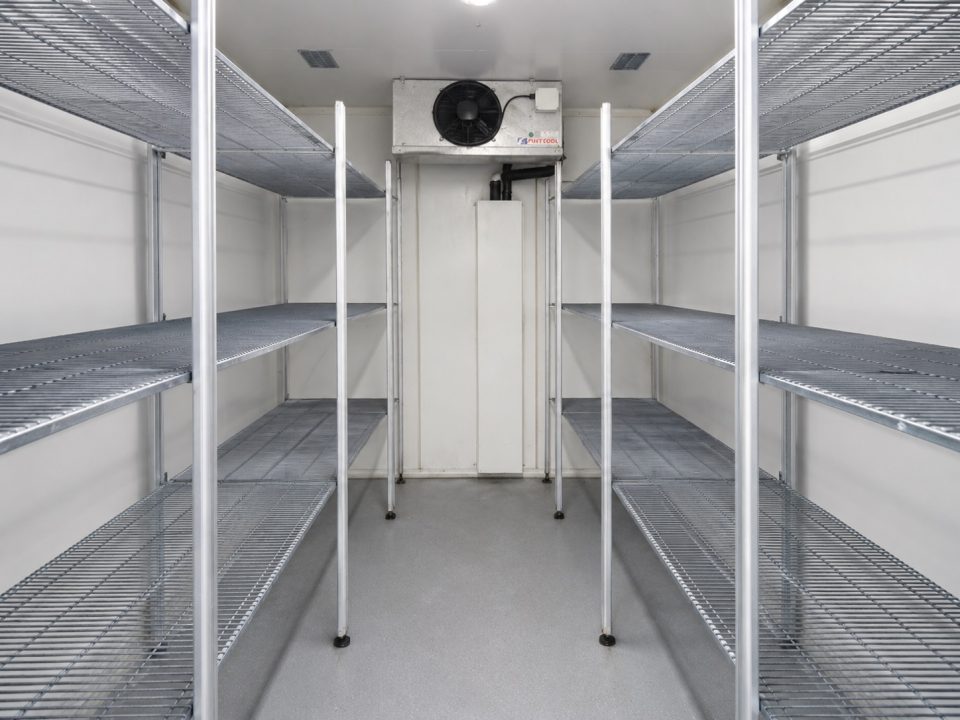
Temporary hire can help keep operations moving when something unexpected happens. For example, a hospitality business dealing with refrigeration problems may need urgent cold storage to protect stock. In these situations, services such as Cool Room Hire Perth can be useful for businesses that need temporary cooling support without waiting for a long-term replacement.
This kind of flexibility can reduce downtime and prevent small problems from becoming larger operational issues.
Reducing Pressure on Existing Equipment
During busy periods, existing equipment often has to work harder. Fridges are opened more often, vehicles make more trips, tools are used for longer hours, and production equipment may run close to capacity.
This extra pressure can increase wear and tear. It can also raise the risk of breakdowns at the worst possible time.
Hiring extra equipment can reduce the load on existing assets. Instead of pushing current equipment beyond its normal capacity, businesses can spread the workload. This can improve reliability and help staff work more efficiently.
In some cases, hiring additional equipment is not only about increasing capacity. It is also about protecting the equipment the business already owns.
Improving Efficiency During Short-Term Projects
Temporary hire is not only useful for seasonal demand. It can also support short-term projects.
A business may need extra equipment for a renovation, relocation, product launch, market stall, festival, construction stage, warehouse reorganisation, or special promotion. These projects may last days, weeks, or months, but they do not always justify permanent purchases.
Hiring allows the business to match equipment to the project. Once the project is complete, the equipment can be returned. This keeps the workspace clear and avoids unnecessary storage problems.
For project-based work, temporary hire can also make planning easier because businesses can schedule equipment for the exact period it is needed.
Supporting Business Continuity
Business continuity means keeping operations running when disruptions happen. This could involve equipment failure, power issues, supplier delays, extreme weather, staff shortages, or unexpected customer demand.
Temporary equipment hire can become part of a business continuity plan. Instead of waiting until something goes wrong, businesses can identify which equipment would be needed in an emergency and where they could source it quickly.
This is especially important for businesses that handle food, medical supplies, temperature-sensitive products, events, or time-critical services. A delay of even a few hours can lead to waste, lost sales, unhappy customers, or safety concerns.
Having a plan for temporary equipment access can reduce panic and help the business respond more calmly.
Making It Easier to Scale Up or Down
Flexibility is one of the biggest advantages of temporary hire. Businesses can scale up during busy periods and scale down when demand returns to normal.
This is valuable because demand is not always stable. Some months may be busy, while others may be quiet. Some contracts may require extra resources, while others may not. Buying equipment based on peak demand can leave a business over-equipped during slower periods.
Temporary hire allows businesses to match resources to real-time needs. This can improve efficiency and reduce waste.
For growing businesses, this flexibility can also support careful expansion. They can take on larger jobs without immediately committing to major purchases.
Accessing Specialised Equipment
Some equipment is only needed for specific tasks. Buying specialised equipment may not make sense if it is rarely used. Temporary hire gives businesses access to the right tools without long-term ownership.
This can include refrigeration units, generators, access equipment, catering equipment, display fixtures, cleaning machines, lighting, transport equipment, and more.
Specialised hire can also help businesses deliver a higher standard of service. Instead of trying to manage with unsuitable equipment, they can use equipment designed for the task.
This improves safety, efficiency, and customer experience.
Reducing Storage and Maintenance Issues
Owned equipment needs space. For businesses with limited premises, storage can become a real problem. Equipment that is only used occasionally may take up valuable room that could be used for stock, staff areas, customer service, or production.
Maintenance is another issue. Equipment needs to be cleaned, checked, repaired, and sometimes certified. If equipment sits unused for long periods, it may still require attention before it can be used again.
Temporary hire reduces these problems. The equipment is used when needed and returned afterward. This helps businesses keep their premises more organised and focused on daily operations.
Choosing the Right Hire Partner
Temporary equipment hire works best when businesses choose reliable suppliers. The cheapest option is not always the best if delivery is late, equipment is poorly maintained, or support is limited.
Before hiring, businesses should consider:
- Whether the equipment suits the actual task
- How quickly it can be delivered
- Whether setup support is available
- What happens if the equipment fails
- How long the hire period can be extended
- Whether the supplier understands the industry
- What costs are included in the agreement
Clear communication is important. Businesses should explain their needs, timing, site conditions, and any special requirements before confirming the hire.
Planning Ahead for Busy Periods
Temporary hire is most effective when planned early. Waiting until the last minute can limit options, especially during peak seasons when many businesses need the same equipment.
Businesses should review upcoming busy periods and identify where extra support may be needed. This could include storage, refrigeration, transport, display, production, cleaning, or event equipment.
Planning ahead also helps with budgeting. The business can compare hire options, confirm availability, and avoid rushed decisions.
Even when demand is uncertain, having a shortlist of trusted suppliers can save time later.
A Practical Way to Stay Flexible
Temporary equipment hire helps businesses stay adaptable during busy periods, seasonal peaks, short-term projects, and unexpected disruptions. It allows them to increase capacity without taking on unnecessary long-term costs.
For many businesses, flexibility is just as important as growth. The ability to respond quickly, protect operations, and manage demand without overcommitting can make a big difference.
By using temporary hire wisely, businesses can stay prepared, serve customers better, and handle pressure with more confidence.