
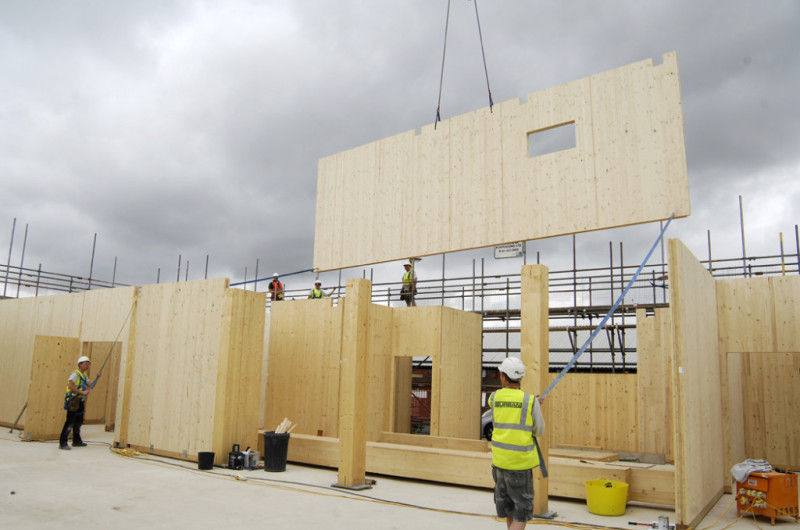
Timber has been used in construction and craftsmanship for centuries, and despite advances in modern building materials, it continues to play a vital role across residential, commercial, and landscaping projects. From structural frameworks to garden features and interior finishes, quality timber offers durability, versatility, and natural appeal that few materials can match.
Trusted suppliers like New Forest Sawmill provide timber products suited to a wide range of applications, helping builders, landscapers, and homeowners achieve reliable and attractive results.
The Advantages of Using Timber
Timber remains one of the most popular building materials because it combines practicality with visual appeal.
Natural Strength and Durability
When properly treated and maintained, timber can last for decades. Many hardwoods and treated softwoods are capable of withstanding challenging weather conditions and heavy use.
Sustainable Building Material
Responsibly sourced timber is considered one of the more environmentally friendly construction materials available. Trees absorb carbon dioxide as they grow, making timber a renewable resource when forests are managed sustainably.
Versatility Across Projects
Timber can be used for structural work, flooring, fencing, decking, cladding, furniture, and decorative features. Its adaptability makes it suitable for both traditional and contemporary designs.
Popular Uses for Timber in Construction and Landscaping
Timber is widely used across a variety of industries and projects.
Structural Building Work
Many homes and commercial buildings rely on timber frames, roof structures, and support beams due to their strength and flexibility.
Decking and Outdoor Spaces
Timber decking continues to be a popular choice for gardens and outdoor entertaining areas because it creates a warm and natural appearance.
Fencing and Gates
Wooden fencing offers privacy, security, and aesthetic value while blending naturally into outdoor environments.
Interior Design Features
Exposed timber beams, wooden flooring, and bespoke joinery remain highly desirable in modern interior design.
Why Timber Quality Matters
Not all timber products offer the same level of performance. Choosing high-quality timber can significantly impact the longevity and appearance of a project.
Reduced Risk of Warping and Cracking
Properly processed and seasoned timber is less likely to twist, split, or shrink over time.
Better Structural Reliability
High-grade timber provides greater consistency and strength, making it more suitable for demanding construction applications.
Improved Appearance
Quality timber often has a cleaner finish, more consistent grain patterns, and fewer imperfections, which enhances the final result.
Sustainable Timber and Environmental Responsibility
Sustainability has become increasingly important within the construction industry.
Responsible Forestry Practices
Many timber suppliers now source wood from managed forests where trees are replanted and ecosystems are protected.
Lower Carbon Footprint
Compared to materials such as concrete and steel, timber production generally requires less energy and generates fewer emissions.
Long-Term Reusability
Timber can often be repurposed or recycled, reducing waste and supporting more sustainable building practices.
Tips for Maintaining Timber Products
Proper care helps extend the lifespan of timber structures and surfaces.
Apply Protective Treatments
Stains, oils, and preservatives help protect timber against moisture, insects, and UV damage.
Perform Regular Inspections
Checking for signs of rot, cracks, or loose fittings allows issues to be addressed before they worsen.
Keep Timber Clean
Removing dirt, moss, and standing water can help preserve both appearance and durability.
Emerging Trends in Timber Design
Modern architecture increasingly incorporates timber into both residential and commercial developments.
Timber-Clad Exteriors
Wooden cladding is growing in popularity for creating natural, contemporary building exteriors.
Hybrid Construction
Many builders now combine timber with steel, glass, and concrete to achieve both strength and aesthetic appeal.
Bespoke Outdoor Features
Custom pergolas, sleepers, raised beds, and garden structures are becoming common additions to outdoor living spaces.
FAQs
Is timber suitable for outdoor use?
Yes, treated timber is commonly used for decking, fencing, sheds, and other outdoor structures.
What is the difference between hardwood and softwood?
Hardwoods generally come from slower-growing trees and are often denser, while softwoods grow faster and are widely used in construction.
How long does treated timber last?
With proper maintenance, treated timber can last for several decades depending on the environment and usage.
Is timber environmentally friendly?
Responsibly sourced timber is considered a renewable and sustainable building material.
Does timber require regular maintenance?
Most timber products benefit from occasional cleaning and protective treatments to maintain their condition over time.
Conclusion
Timber continues to be one of the most reliable and versatile materials used in construction, landscaping, and design. Its combination of strength, sustainability, and natural beauty makes it suitable for a wide range of projects, from structural frameworks to decorative outdoor features. As demand for sustainable building solutions grows, quality timber will remain an essential part of modern construction and home improvement.